Winx Club Moonlight Quest Explore Magix & Beyond
Spoiler-light tips for Alfea, Cloud Tower, Red Fountain, Magix City, and open-world habits.
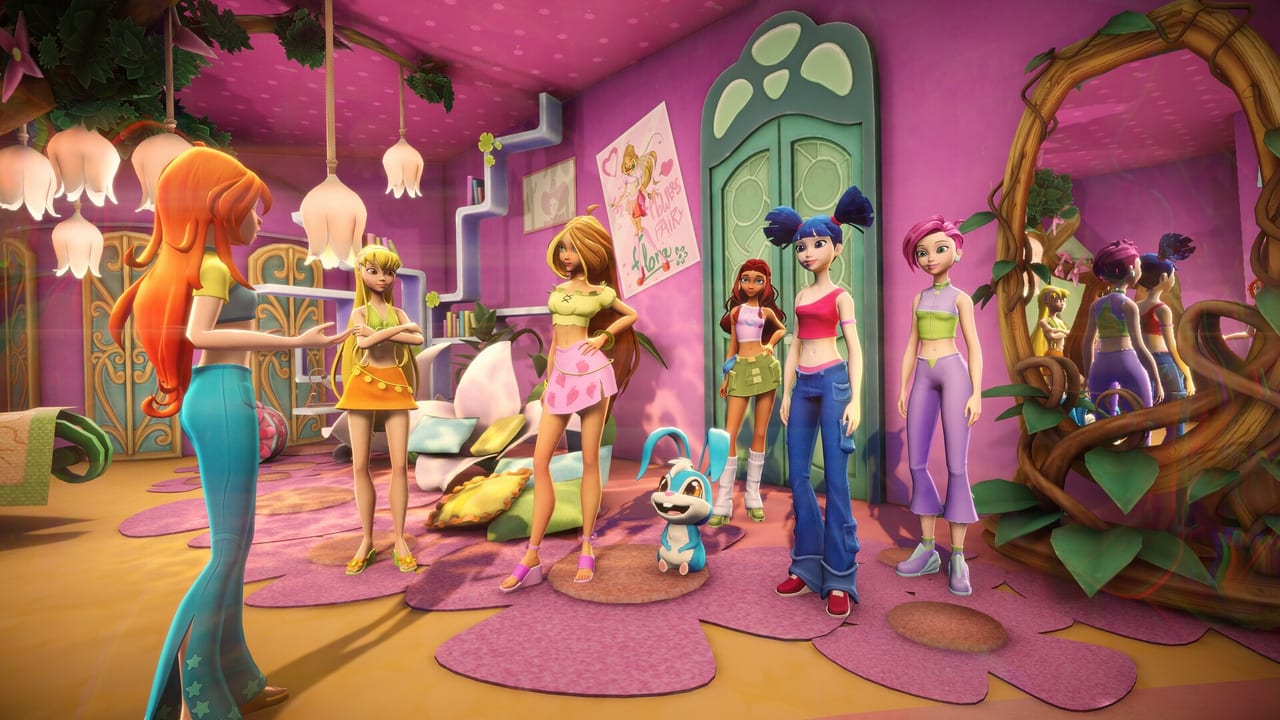
Winx Club: Moonlight Quest invites you to rediscover the Magic Dimension’s most famous landmarks in an open-world format. Balio Studio specifically calls out Alfea, Cloud Tower, Red Fountain, and Magix City, with additional regions waiting beyond those headline pins. This guide stays spoiler-light: no quest spoiler chains, no invented collectible totals—just how to explore each vibe so you do not waste flight time on launch weekend.
New to the game? Start with Getting Started. Need the verbs that make vertical maps readable? Read Transform and Flight. Want the Festival premise without ending spoilers? See the Story Overview.
How to explore any Moonlight Quest region
Use the same loop everywhere:
- Arrive on foot or via a story lead so NPC context sticks.
- Transform and climb until the district silhouette makes sense.
- Mark mental anchors—towers, courtyards, bridges, glowing props.
- Sweep mid-elevation rings (balconies, skybridges) before street leftovers.
- Return after major Festival beats; story flags often repaint access.
Open-world Winx fantasy rewards curiosity without requiring you to vacuum every bush before the next cutscene. If a challenge playlist is waiting with friends, park exploration and jump to Challenges and Modes—the map will still be there.
Alfea — school of fairies, social hub energy
Alfea is the emotional home base for many series fans. In Moonlight Quest, expect it to play like a campus hub: courtyards for conversations, wings for dorms and classrooms, and vertical flourishes that look gorgeous from fairy flight.
Exploration tips:
- Land in the central courtyard first to orient doors and quest givers.
- After dialogue, take a roof pass along each wing; school maps love side balconies.
- Check ornamental gardens and fountain rings for quiet collectible language.
- Revisit after Festival scenes—ceremonies often unlock previously closed halls.
Alfea is where you should perfect polite exploration: talk, transform, short hop, talk again. If controls feel awkward in tight halls, remap interact and camera using Controls.
Cloud Tower — vertical tension and witch aesthetics
Cloud Tower is the contrast piece: sharper silhouettes, taller climbs, and a mood that telegraphs rivalry and danger even when you are only sightseeing. Approach it as a vertical dungeon dressed as a school.
Exploration tips:
- Scout the exterior rings from altitude before committing to a front door.
- Expect more platforming-friendly ledges than Alfea’s social floors.
- Keep a defensive habit ready; hostile fantasy spaces often pair with denser fights.
- Use flight to skip frustrating stair loops, then drop inside when prompts appear.
If you get lost, reset to the outer silhouette rather than mashing the map filter. Cloud Tower reads clearer from the air than from its interior corridors.
Red Fountain — specialisti energy and open grounds
Red Fountain brings the specialists’ world: broader parade grounds, training-yard geometry, and architecture that suggests motion. Even before challenge modes, the campus looks built for movement tech.
Exploration tips:
- Use the wide yards to practice boost-and-brake flight lines.
- Sweep perimeter towers; athletic schools hide content in observation decks.
- Watch for duel-friendly arenas that may double as challenge entries later.
- Compare sightlines back toward Magix City—Red Fountain is a great orientation landmark.
Red Fountain is an ideal place to bring a second controller for a warm-up before Magic Challenge nights. Mobility you learn here transfers into the 32 challenges across 4 game modes.
Magix City — dense skyline, festival stage, secret corners
Magix City is the urban canvas for the Festival of the 100 Moons. Expect crowds, ceremonial set dressing, neon-magic contrast, and the kind of alley-and-rooftop sandwich that open-world cities love.
Exploration tips:
- Climb early to separate market streets from noble terraces and utility alleys.
- Weave between towers instead of following only ground roads.
- Investigate festival props—stages, lantern lines, banners—after each story beat.
- Schedule a night-time pass if lighting changes; cities often hide second reads after dark.
When the celebration goes wrong and a mysterious threat hits the Magic Dimension, Magix City will likely be your barometer for how severe the crisis feels. Keep plot details light; let the Story Overview frame the premise while you focus on routes.
Beyond the big four
Official materials say the adventure includes these iconic locations and more. That means you should leave inventory space—mental and literal—for wilder biomes, transitional sky lanes, and story-only pockets that trailers have not labeled yet. Do not assume the four schools and the city are the entire cartography.
When a new region opens:
- Repeat the five-step loop above
- Pin a unique silhouette on your mental map
- Test whether flight rules feel identical (some story arenas may constrain wings)
- Note any challenge portals that appear on the periphery
Collectibles and “every corner hides a mystery”
The official site leans on the line that every corner hides a mystery. Without a published collectible manifesto, use genre-savvy habits:
- Glow, sparkle, or audio stingers beat random bush checking
- Rooftops after rain or night festivals often respawn interest
- Interior side rooms behind NPCs beat endless exterior laps
- If a puzzle smells tutorial-like, solve it—traversal verbs may unlock
Avoid wiki panic about 100% before you finish the Festival arc. Enjoy discovery first; spreadsheet later when community maps exist post-launch.
Linking locations to systems
- Flight mastery makes Cloud Tower and Magix skyline gaps trivial—Transform and Flight
- Couch sessions may teleport you into arena slices inspired by these hubs—Challenges and Modes
- Day-one orientation still starts with platform choice and patches—Getting Started
Spoiler-safe travel etiquette for co-op households
If one player pushes story while another sightseeing, agree on rules: no shouting boss names, no revealing which school hides a twist, and no forcing the sightseeing player into challenge spoilers. Locations are shared fantasy spaces; keep endings private.
Pre-launch note on maps and pins
We will not fabricate fast-travel lists or fake region names. Screenshots and trailers confirm the tone of Alfea, Cloud Tower, Red Fountain, and Magix City; the shipped mini-map will teach the rest. Use this page as a tour style guide, then replace soft tips with pin-accurate routes after November 30, 2026.
Climb, scout, land with intention, and Magix will feel like the series locations you remember—only now Bloom can own the sky between them.
Frequently Asked Questions
Quick answers to the most common questions.
Which locations are confirmed in Moonlight Quest?
Balio Studio highlights Alfea, Cloud Tower, Red Fountain, and Magix City, and notes that more regions exist beyond those iconic landmarks.
What is the best way to explore a new district?
Arrive for context, climb in fairy form, mark silhouettes, sweep balconies and skybridges, then revisit after major Festival story beats.
Is Magix City only for the Festival story?
It is the urban stage for the Festival of the 100 Moons, but treat it as a full exploration hub with rooftops, alleys, and revisit value—not a single cutscene street.
Should I 100% each school before continuing the story?
No. Enjoy discovery, unlock traversal verbs, and return later. Exact collectible density is clearest after launch.
Do challenge modes use these locations?
Challenge playlists extend the adventure beyond the main quest and may echo hub themes, but they are a separate layer from Bloom’s Festival campaign.